Buy korpoodzera.eu ?
We are moving the project
korpoodzera.eu .
Are you interested in purchasing the domain
korpoodzera.eu ?
domain@kv-gmbh.de · 0541-91531010
Buy korpoodzera.eu ?
How to create a titration curve of a conductivity titration?
To create a titration curve of a conductivity titration, you would first need to set up your titration apparatus with a conductivity meter. Begin by measuring the initial conductivity of the solution being titrated. As you add titrant incrementally, record the conductivity at each point. Plot the conductivity values against the volume of titrant added to create a titration curve. The curve will typically show a sharp increase in conductivity at the equivalence point, allowing you to determine the endpoint of the titration. **
How does a titration with the degree of titration work?
A titration with the degree of titration works by gradually adding a titrant of known concentration to a solution of the analyte until the reaction between the two is complete. The point at which the reaction is complete is determined by using an indicator or a pH meter. The amount of titrant required to reach this point is used to calculate the concentration of the analyte in the original solution. The degree of titration refers to the extent to which the reaction has progressed and is typically expressed as a percentage. **

Similar search terms for Titration
Top-Angebote
Products related to Titration:
-
Multisell Products Hub Waterproof Compass Watch With Luminous Dial For Hiking Camping Survival Gear Waterproof Compass Watch With Luminous Dial For Hiking Camping Survival GearWhen youre out in the wild, confidence comes from knowing your direction at all times. This compass watch combines rugged reliability with everyday wearability, giving adventurers a simple yet powerful navigation tool right on their wrist. Designed...44,97 $*Shipping: 0,00 $Secure redirect to the provider
-
Uplift Curations Emergency Thermal Rain Poncho Waterproof Survival Poncho Blanket For Camping Hiking Outdoor Survival Gear orangeBe ready for sudden weather changes with a lightweight protective layer designed for emergencies. This thermal rain poncho combines the function of a waterproof raincoat and an insulating blanket to help keep you warm and dry in harsh outdoor...57,50 $*Shipping: 0,00 $Secure redirect to the provider
-
The Handy Homestead Survival Wrist Compass Watch For Outdoor Adventure & Hiking Survival Wrist Compass Watch For Outdoor Adventure & HikingNever lose your way on your adventures again. The wrist compass watch combines a reliable compass with a durable, lightweight design, perfect for explorers, hikers, and outdoor enthusiasts. Built for precision and convenience, it keeps you oriented...39,97 $*Shipping: 0,00 $Secure redirect to the provider
-
Uplifted Trends Premium Wrist Compass Survival Watch For Outdoor Adventure & Hiking Premium Wrist Compass Survival Watch For Outdoor Adventure & HikingNever lose your way again with the wrist compass survival watch built for adventurers and explorers. Designed for hikers, campers, and outdoor enthusiasts, this durable survival watch keeps you on track no matter where the journey takes you. Its...39,97 $*Shipping: 0,00 $Secure redirect to the provider


-
How does titration work?
Titration is a technique used in chemistry to determine the concentration of a specific substance in a solution. It involves slowly adding a solution of known concentration (titrant) to a solution of unknown concentration until the reaction between the two is complete. This is typically indicated by a color change or other observable change. By measuring the volume of titrant required to reach the endpoint, the concentration of the unknown solution can be calculated using stoichiometry. **
-
What is a titration?
A titration is a laboratory technique used to determine the concentration of a specific substance in a solution. It involves slowly adding a solution of known concentration (titrant) to a solution of unknown concentration until the reaction between the two is complete. The point at which the reaction is complete is called the equivalence point, which is used to calculate the concentration of the unknown solution. Titration is commonly used in chemistry for various purposes, such as determining the acidity or alkalinity of a solution. **
-
Can the titration volume be calculated without having performed the titration beforehand?
No, the titration volume cannot be accurately calculated without having performed the titration beforehand. The titration volume is determined by the amount of titrant needed to reach the equivalence point, which can only be determined through the actual titration process. The titration volume is a crucial parameter in determining the concentration of the analyte in the sample, so it is essential to perform the titration to obtain this information accurately. **
-
What does a titration curve look like when no titration is performed?
When no titration is performed, a titration curve would simply be a straight horizontal line at the initial pH of the solution being tested. This is because there would be no addition of titrant to cause any changes in pH. The curve would remain flat and unchanging until a titrant is added to initiate the titration process. **

What is the difference between a pH-metric titration and an indicator titration?
A pH-metric titration involves the use of a pH meter to measure the pH of a solution as a titrant is added to it. This allows for a precise determination of the equivalence point of the titration. On the other hand, an indicator titration uses a chemical indicator that changes color at or near the equivalence point to signal the end of the titration. While pH-metric titrations provide more accurate and precise results, indicator titrations are simpler and more commonly used in introductory chemistry labs. **
What is a back titration?
A back titration is a technique used in analytical chemistry to determine the concentration of an analyte that reacts slowly or incompletely with a direct titration method. It involves adding an excess of a known reagent to the analyte, allowing the reaction to proceed, and then titrating the excess reagent that did not react with a second titrant. By measuring the amount of the second titrant required to react with the excess reagent, the concentration of the analyte can be calculated. Back titrations are particularly useful when the analyte is volatile, weakly acidic or basic, or when there are interfering substances present. **
Top-Angebote
Products related to Titration:
-
Inspire Daily Merch Windproof Camping Stove Shield Outdoor BBQ & Firewood Cooking Windbreak For Camping, Hiking, And BBQ Gear Windproof Camping Stove Shield Outdoor BBQ & Firewood Cooking Windbreak For Camping, Hiking, And BBQ GearPrepare for your outdoor adventure with our Windproof Camping Stove Shield. Designed to protect your fire from the elements, this lightweight, durable windscreen ensures consistent heat, making it an essential piece of camping gear. Perfect for BBQ...64,97 $*Shipping: 0,00 $Secure redirect to the provider
-
Perfect Picks Market Kids Explorer Kit, Bug Catcher, Binoculars, Outdoor Exploration Kit For Hiking, Camping, Educational Toy For Kids Kids Explorer Kit, Bug Catcher, Binoculars, Outdoor Exploration Kit For Hiking, Camping, Educational Toy For KidsExplore the Outdoors with the 11PCS Kids Explorer Kit The 11PCS Kids Explorer Kit with Binoculars is the perfect set for your little adventurer. Designed to spark curiosity, this bug catcher outdoor exploration kit includes everything kids need for...129,97 $*Shipping: 0,00 $Secure redirect to the provider
-
Multisell Products Hub Waterproof Compass Watch With Luminous Dial For Hiking Camping Survival Gear Waterproof Compass Watch With Luminous Dial For Hiking Camping Survival GearWhen youre out in the wild, confidence comes from knowing your direction at all times. This compass watch combines rugged reliability with everyday wearability, giving adventurers a simple yet powerful navigation tool right on their wrist. Designed...44,97 $*Shipping: 0,00 $Secure redirect to the provider
-
Uplift Curations Emergency Thermal Rain Poncho Waterproof Survival Poncho Blanket For Camping Hiking Outdoor Survival Gear orangeBe ready for sudden weather changes with a lightweight protective layer designed for emergencies. This thermal rain poncho combines the function of a waterproof raincoat and an insulating blanket to help keep you warm and dry in harsh outdoor...57,50 $*Shipping: 0,00 $Secure redirect to the provider
-
How to create a titration curve of a conductivity titration?
To create a titration curve of a conductivity titration, you would first need to set up your titration apparatus with a conductivity meter. Begin by measuring the initial conductivity of the solution being titrated. As you add titrant incrementally, record the conductivity at each point. Plot the conductivity values against the volume of titrant added to create a titration curve. The curve will typically show a sharp increase in conductivity at the equivalence point, allowing you to determine the endpoint of the titration. **
-
How does a titration with the degree of titration work?
A titration with the degree of titration works by gradually adding a titrant of known concentration to a solution of the analyte until the reaction between the two is complete. The point at which the reaction is complete is determined by using an indicator or a pH meter. The amount of titrant required to reach this point is used to calculate the concentration of the analyte in the original solution. The degree of titration refers to the extent to which the reaction has progressed and is typically expressed as a percentage. **
-
How does titration work?
Titration is a technique used in chemistry to determine the concentration of a specific substance in a solution. It involves slowly adding a solution of known concentration (titrant) to a solution of unknown concentration until the reaction between the two is complete. This is typically indicated by a color change or other observable change. By measuring the volume of titrant required to reach the endpoint, the concentration of the unknown solution can be calculated using stoichiometry. **
-
What is a titration?
A titration is a laboratory technique used to determine the concentration of a specific substance in a solution. It involves slowly adding a solution of known concentration (titrant) to a solution of unknown concentration until the reaction between the two is complete. The point at which the reaction is complete is called the equivalence point, which is used to calculate the concentration of the unknown solution. Titration is commonly used in chemistry for various purposes, such as determining the acidity or alkalinity of a solution. **
Similar search terms for Titration
-
The Handy Homestead Survival Wrist Compass Watch For Outdoor Adventure & Hiking Survival Wrist Compass Watch For Outdoor Adventure & HikingNever lose your way on your adventures again. The wrist compass watch combines a reliable compass with a durable, lightweight design, perfect for explorers, hikers, and outdoor enthusiasts. Built for precision and convenience, it keeps you oriented...39,97 $*Shipping: 0,00 $Secure redirect to the provider
-
Uplifted Trends Premium Wrist Compass Survival Watch For Outdoor Adventure & Hiking Premium Wrist Compass Survival Watch For Outdoor Adventure & HikingNever lose your way again with the wrist compass survival watch built for adventurers and explorers. Designed for hikers, campers, and outdoor enthusiasts, this durable survival watch keeps you on track no matter where the journey takes you. Its...39,97 $*Shipping: 0,00 $Secure redirect to the provider
-
Uplift Curations Emergency Thermal Survival Blanket Windproof Waterproof Foil Outdoor Rescue Gear For Camping & Hiking silver 51.2 82.7 InchesWhen conditions turn harsh, staying warm can save your life. This emergency thermal survival blanket delivers dependable protection from wind, cold, and moisture making it an essential addition to every outdoor kit, vehicle, or home. Lightweight and...45,00 $*Shipping: 0,00 $Secure redirect to the provider
-
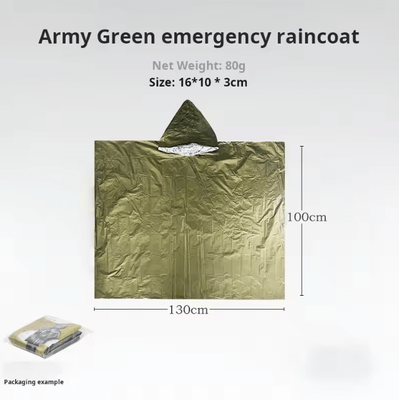
Uplift Curations Emergency Thermal Rain Poncho Waterproof Survival Poncho Blanket For Camping Hiking Outdoor Survival Gear army GreenBe ready for sudden weather changes with a lightweight protective layer designed for emergencies. This thermal rain poncho combines the function of a waterproof raincoat and an insulating blanket to help keep you warm and dry in harsh outdoor...57,50 $*Shipping: 0,00 $Secure redirect to the provider
-
Can the titration volume be calculated without having performed the titration beforehand?
No, the titration volume cannot be accurately calculated without having performed the titration beforehand. The titration volume is determined by the amount of titrant needed to reach the equivalence point, which can only be determined through the actual titration process. The titration volume is a crucial parameter in determining the concentration of the analyte in the sample, so it is essential to perform the titration to obtain this information accurately. **
-
What does a titration curve look like when no titration is performed?
When no titration is performed, a titration curve would simply be a straight horizontal line at the initial pH of the solution being tested. This is because there would be no addition of titrant to cause any changes in pH. The curve would remain flat and unchanging until a titrant is added to initiate the titration process. **
-
What is the difference between a pH-metric titration and an indicator titration?
A pH-metric titration involves the use of a pH meter to measure the pH of a solution as a titrant is added to it. This allows for a precise determination of the equivalence point of the titration. On the other hand, an indicator titration uses a chemical indicator that changes color at or near the equivalence point to signal the end of the titration. While pH-metric titrations provide more accurate and precise results, indicator titrations are simpler and more commonly used in introductory chemistry labs. **
-
What is a back titration?
A back titration is a technique used in analytical chemistry to determine the concentration of an analyte that reacts slowly or incompletely with a direct titration method. It involves adding an excess of a known reagent to the analyte, allowing the reaction to proceed, and then titrating the excess reagent that did not react with a second titrant. By measuring the amount of the second titrant required to react with the excess reagent, the concentration of the analyte can be calculated. Back titrations are particularly useful when the analyte is volatile, weakly acidic or basic, or when there are interfering substances present. **
* All prices are inclusive of VAT and, if applicable, plus shipping costs. The offer information is based on the details provided by the respective shop and is updated through automated processes. Real-time updates do not occur, so deviations can occur in individual cases. ** Note: Parts of this content were created by AI.